Tax Deductions Every Australian Small Business Should Know: Your Guide to Small Business Tax Deductions

Running a small business in Australia means juggling many responsibilities, and understanding tax deductions can feel overwhelming. But knowing which expenses you can claim can save you money and reduce stress when tax time comes around. I’m here to break down the essentials of small business tax deductions in a clear, friendly way. This guide will help you feel confident about what you can claim and how to keep your records organised.
Understanding Small Business Tax Deductions
Small business tax deductions are expenses you can subtract from your income to reduce the amount of tax you pay. The Australian Taxation Office (ATO) allows deductions for costs that are directly related to running your business. These deductions can cover a wide range of items, from office supplies to vehicle expenses.
Here are some common categories of small business tax deductions:
Operating expenses: Rent, utilities, phone, and internet bills.
Equipment and tools: Computers, machinery, and tools used for your work.
Vehicle costs: Fuel, maintenance, and depreciation if you use your car for business.
Employee wages and superannuation: Payments to staff and their super contributions.
Professional services: Accounting, legal advice, and consulting fees.
Marketing and advertising: Website costs, flyers, and social media ads.
It’s important to keep receipts and records for all your expenses. This documentation will support your claims if the ATO ever asks for proof.
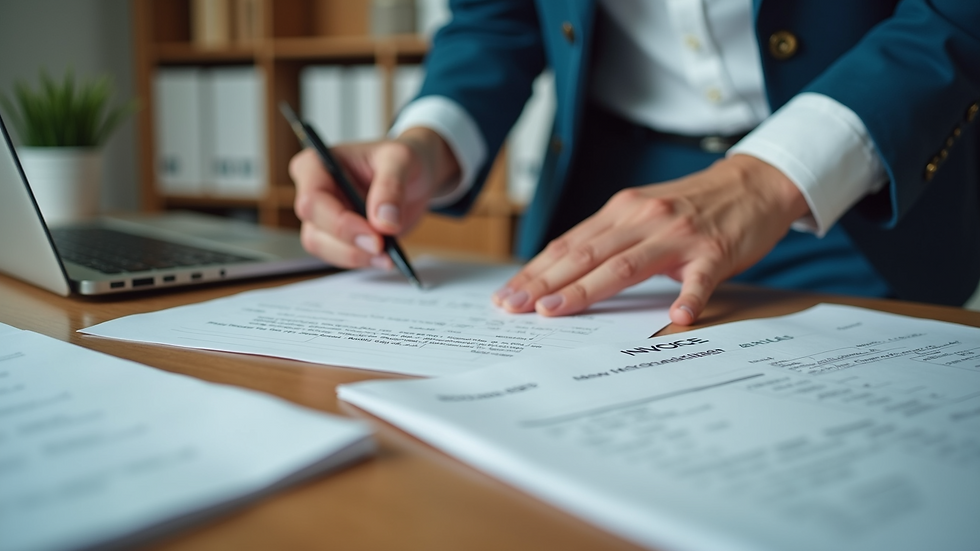
How much can I write-off as a small business owner?
You might wonder how much you can actually write off when it comes to your business expenses. The answer depends on the nature of the expense and how much it relates to your business activities.
Full deductions: If an expense is 100% for business use, you can claim the entire amount. For example, buying stock or paying rent for your business premises.
Partial deductions: If an expense is partly for personal use, you can only claim the business portion. For example, if you use your phone 70% for work, you can claim 70% of the phone bill.
Depreciation: For assets like computers or vehicles, you can claim a portion of the cost each year over the asset’s useful life.
The ATO also offers simplified methods for some deductions, like the cents-per-kilometre method for car expenses, which can make record-keeping easier.
Essential Tax Deductions for Small Business Owners
Knowing which expenses qualify as tax deductions can make a big difference to your bottom line. Here are some key deductions you should keep in mind:
Home Office Expenses
If you work from home, you can claim a portion of your home running costs. This includes electricity, internet, phone, and even depreciation on your home office furniture. The ATO provides a fixed rate method (currently 52 cents per hour) or you can calculate actual expenses based on your work area.
Vehicle and Travel Costs
Using your car for business? You can claim fuel, servicing, insurance, and registration costs. Keep a logbook for 12 weeks to determine the business-use percentage. For travel, expenses like accommodation and meals during business trips are also deductible.
Tools and Equipment
Purchasing tools or equipment necessary for your trade or business is deductible. For items under $300, you can claim an immediate deduction. For more expensive items, you’ll need to depreciate the cost over several years.
Professional Fees and Subscriptions
Fees paid to accountants, lawyers, or consultants related to your business are deductible. Also, subscriptions to trade journals, industry associations, or software services count as business expenses.
Marketing and Advertising
Costs for promoting your business, such as website hosting, social media ads, flyers, and business cards, are deductible. Keeping your marketing efforts documented helps justify these claims.

Tips for Maximising Your Tax Deductions
To make the most of your tax deductions, consider these practical tips:
Keep detailed records: Use apps or spreadsheets to track expenses as they happen.
Separate business and personal finances: Have a dedicated business bank account and credit card.
Save all receipts and invoices: Even small purchases add up.
Review your expenses regularly: This helps you spot deductible items you might miss.
Consult a tax professional: They can help you identify deductions specific to your industry and situation.
Staying Compliant and Stress-Free
Tax time doesn’t have to be stressful. Staying organised throughout the year makes it easier to claim your deductions confidently. Remember, the goal is to reduce your taxable income legally and keep your business running smoothly.
If you want to learn more about tax deductions for small business owners, the ATO website is a great resource with up-to-date information and tools.
By understanding your small business tax deductions, you’re taking a smart step towards managing your finances better and growing your business with less worry.
I hope this guide helps you feel more in control of your business taxes. Remember, every dollar you save on tax is a dollar you can reinvest in your business. Keep it simple, stay organised, and don’t hesitate to ask for help when you need it.


Comments